What a property cleanout involves for your land
Understanding what a property cleanout means
A property cleanout goes beyond simple yard maintenance. It involves removing debris, overgrown vegetation, fallen trees, and other hazards that accumulate over time. For homeowners with wooded lots or rural acreage, the task can feel overwhelming. Storms knock down limbs, vines take over fences, and brush piles become permanent features of the landscape. A thorough cleanout restores usable space and reduces fire risk, pest problems, and trip hazards.
Many property owners put off a cleanout because they are unsure what it includes. Some think it is just hauling away trash, while others assume it only covers tree removal. In reality, a complete cleanout addresses several layers of mess: dead wood on the ground, hanging limbs that may fall, thick underbrush, and stumps that make mowing difficult. The goal is to return the land to a manageable state so you can use it as intended, whether that means a safe backyard, a cleared building site, or a pasture free of junk trees. Jasper Tree Removal property cleanout
What to look for during an assessment
Before any work begins, walk the property and note the problem areas. Start with trees. Look for dead or dying specimens. A tree with no leaves in summer, peeling bark, or large dead branches is a candidate for removal. Also check for lean: a trunk that angles toward a house, shed, or power line needs professional attention. Next, examine the ground cover. Thick ivy, kudzu, or briars can hide stumps, old fencing, and even small structures. Clearing this growth first lets you see what you are dealing with.
Stumps are another common issue. Left behind after a tree is cut, they can sprout new growth and become obstacles for mowers. Stump grinding removes the bulk below grade, allowing grass to grow over the area. If you plan to replant or build, grinding is usually the right choice. For areas that will stay wild, you might leave larger stumps as habitat, but for most residential lots, grinding makes sense.
Storm damage and hanging hazards
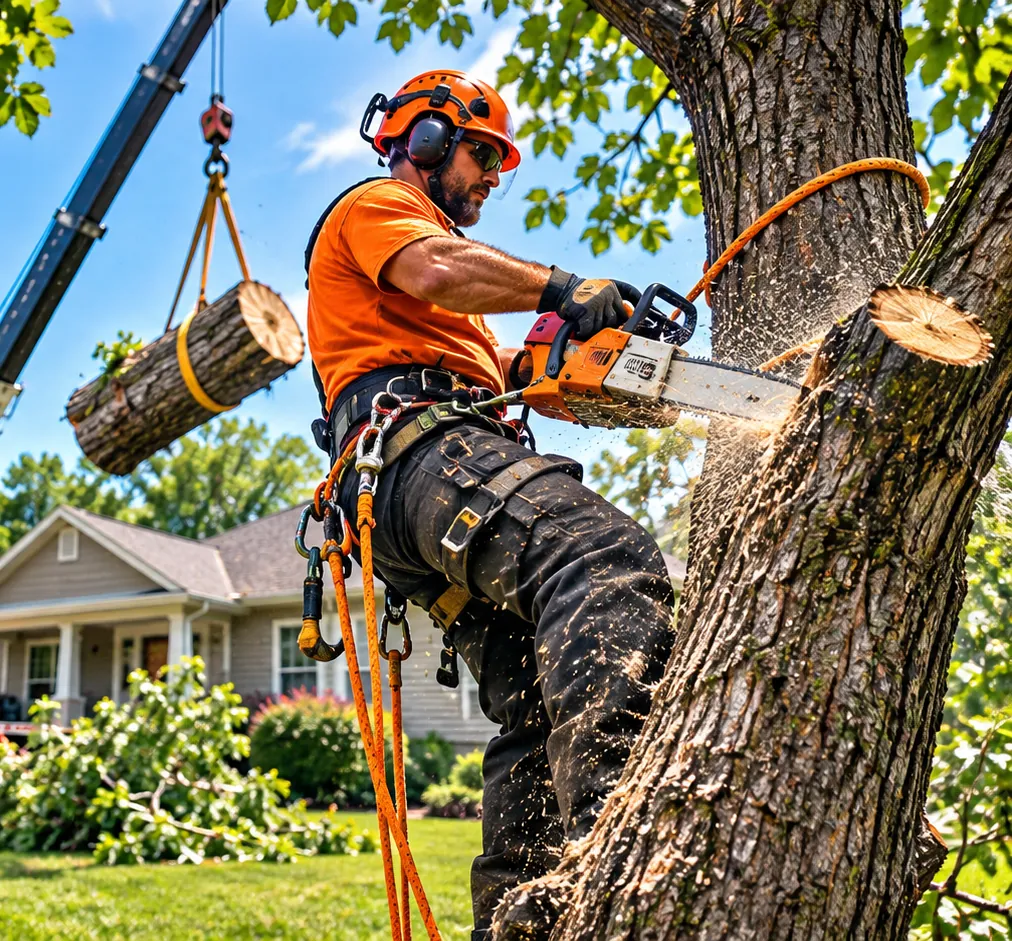
After high winds or heavy snow, trees often have broken limbs caught in the canopy. These "widowmakers" can fall without warning. A property cleanout should include removing these hanging hazards. Climbing or using a bucket truck to reach them is dangerous work that requires training. A professional crew knows how to rig ropes to lower heavy limbs safely. Do not attempt this yourself unless you have the right gear and experience.
Storm cleanup also involves gathering fallen branches and debris from the ground. This material can be chipped into mulch or hauled away. If you have a large volume, consider renting a chipper or hiring a service that brings one. The resulting mulch can be used around trees and garden beds, reducing the need to buy bagged mulch.
The role of tree removal in a cleanout
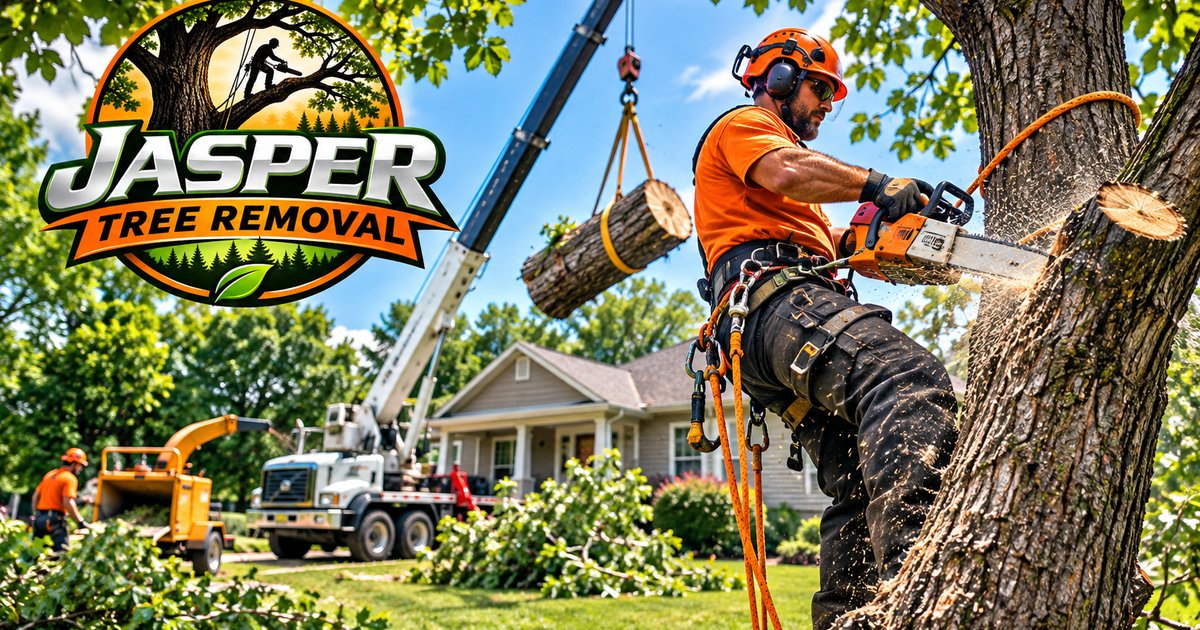
Tree removal is often the biggest part of a property cleanout. Dead or dangerous trees must come down in sections to avoid damaging nearby structures. This is where professional rigging comes in. Ropes and pulleys let the crew control where each piece falls, even in tight spaces. Stump grinding follows to eliminate tripping hazards and prevent regrowth. For properties with many unwanted trees, a lot clearing service can remove them all at once, leaving the land open and ready for use.
If you have a mix of large trees and thick brush, tackling the trees first makes sense. Once the canopy opens up, sunlight reaches the ground, and brush removal becomes easier. The crew can then use equipment to clear briars, saplings, and vines. Some services include hauling away all the debris, leaving a clean slate. Others offer chipping and leave the mulch on site, which can be a good option if you want to improve the soil.
Practical steps for a smooth process
Start by marking any property boundaries. This prevents accidental removal of a neighbor's tree or crossing onto protected land. Next, decide what you want to keep. Mature oaks, maples, or pines that are healthy and well placed add value to the property. Mark them with flagging tape so the crew knows to avoid them. Also, identify any underground utilities before stump grinding or heavy equipment arrives. Call your local utility marking service a few days ahead of time. This free service prevents hitting gas lines, water pipes, or buried cables.
Talk with the crew about access. Large equipment needs a path to reach the back of the lot. If your driveway is narrow or has a low gate, let them know. They may need to bring smaller machines or hand-carry equipment. Also discuss debris disposal. Some companies charge extra for hauling, while others include it in the price. If you want the mulch, say so. If you want everything removed, confirm that upfront.
Timing and permits
Check with your local government about permits. Some jurisdictions require a permit for removing trees above a certain size, especially if the property is in a protected watershed or historic district. Pickens County and Jasper have rules that vary depending on the location and tree species. A quick call to the planning office clarifies what you need. Ignoring permits can result in fines or a requirement to replant. Better to sort it out before work starts.
Season matters too. Late winter or early spring is often ideal for tree removal. The ground is firm, leaves are off the trees, and the crew can see the structure clearly. Summer work is possible but harder due to heat and dense foliage. Fall can work, but wet leaves make footing slippery. If you are clearing land for a spring construction project, plan the cleanout for the previous winter to allow time for stump grinding and grading.
Bringing it all together
A property cleanout is not a single task but a sequence of steps: assessment, tree removal, stump grinding, brush clearing, and debris disposal. Each step depends on the one before it. Doing them in the right order saves time and money. For example, if you clear brush first, you might find small trees that are easier to remove by hand, saving the cost of a crane or bucket truck for every tree. On the other hand, if dangerous trees threaten the work area, removing them first is non-negotiable for safety.
For properties in Jasper and Pickens County, Georgia, a Jasper Tree Removal property cleanout addresses both the obvious and hidden problems. The company handles the heavy work: climbing, rigging, stump grinding, and hauling. Homeowners appreciate the peace of mind that comes from knowing a certified arborist has assessed the trees and a trained crew is handling the dangerous parts. If you are planning a cleanout, get a written estimate that lists each service separately. Compare what is included and ask about cleanup after the work. A good crew leaves the site tidy, with no debris left behind.
Another thing to consider is future maintenance. After the cleanout, the land will need regular attention to stay clear. Mowing, trimming, and spot-treating invasive plants every year prevents the mess from returning. Some homeowners plant grass or ground cover right away to hold the soil and discourage weeds. Others install a simple fence to keep deer from browsing new growth. Talk with the cleanout crew about what they recommend for your specific situation. They see many properties and know what works in the local climate.
A Jasper Tree Removal property cleanout can transform an overgrown lot into a space you actually want to spend time in. Whether you are preparing for a new build, reclaiming a pasture, or just making your yard safer, the process is straightforward when you work with the right people. Start with a clear plan, ask questions, and understand what each step involves. Your land will be safer, more usable, and easier to maintain for years to come.
Jasper Tree Removal on social media
 Twitter
 Instagram
 YouTube